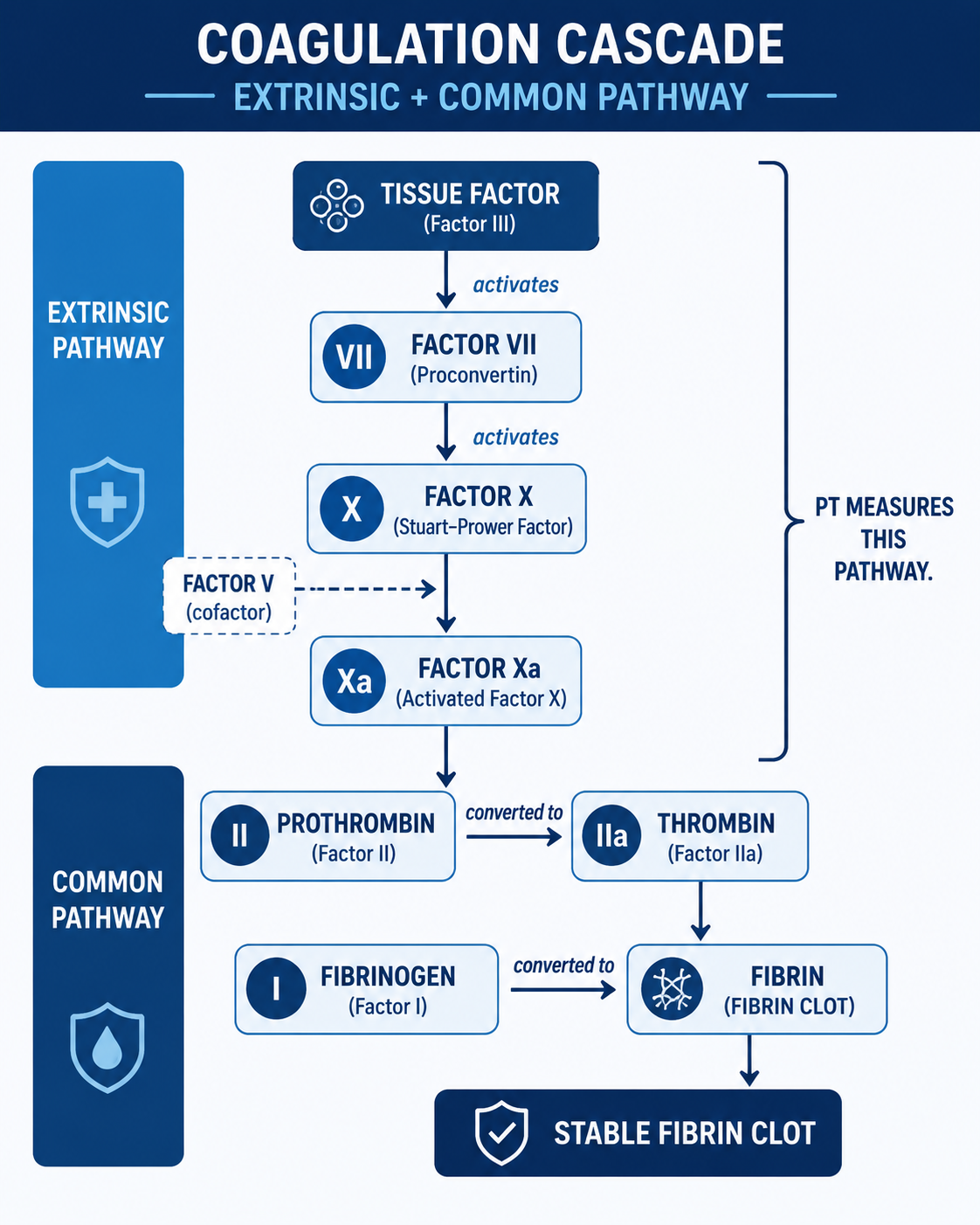
What prothrombin time and INR measure, which coagulation factors PT assesses, common causes of prolonged PT/INR, and key interpretation pitfalls.
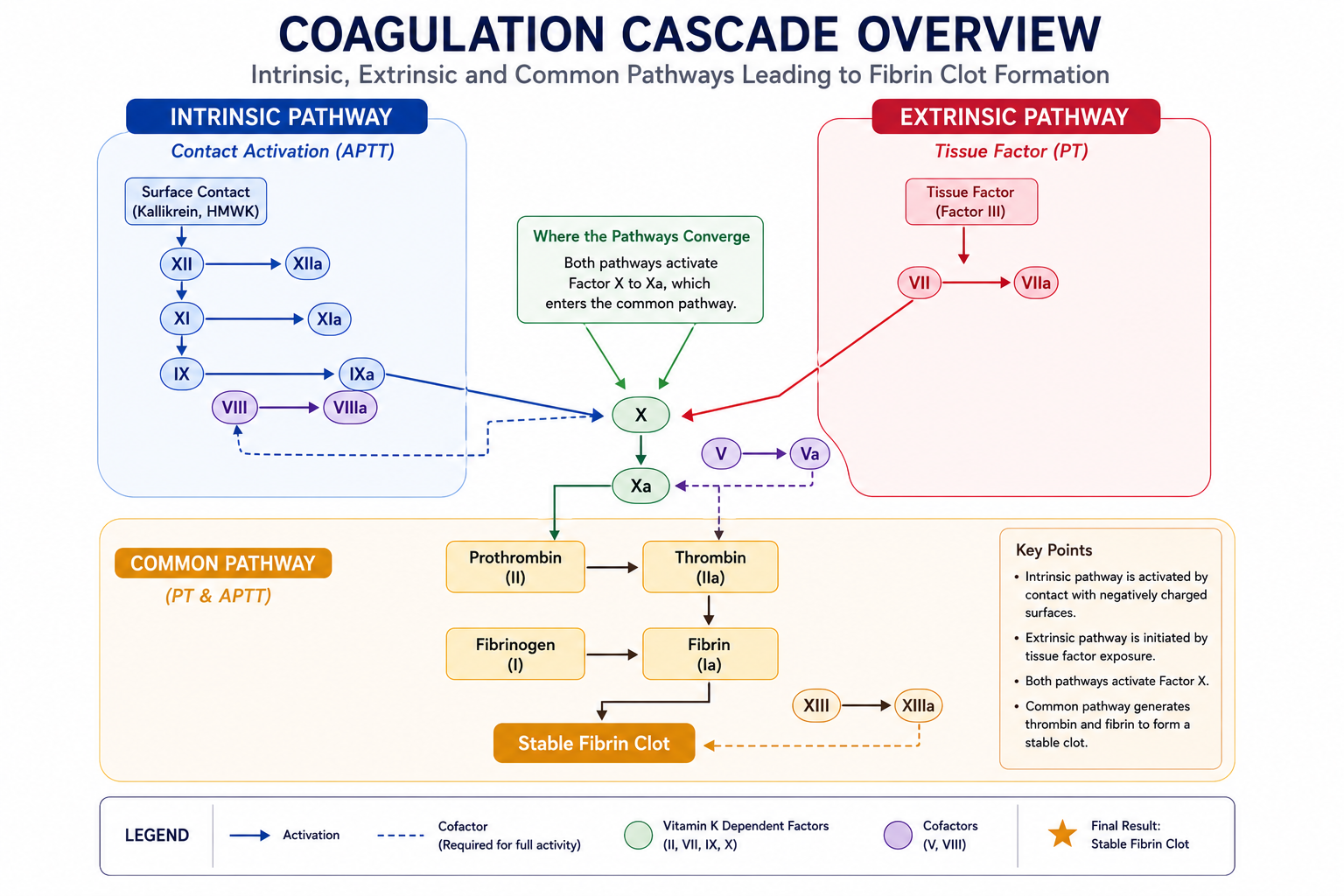
Learn the intrinsic, extrinsic and common coagulation pathways, clotting factors, PT and APTT interpretation, haemophilia, and the modern model of haemostasis.
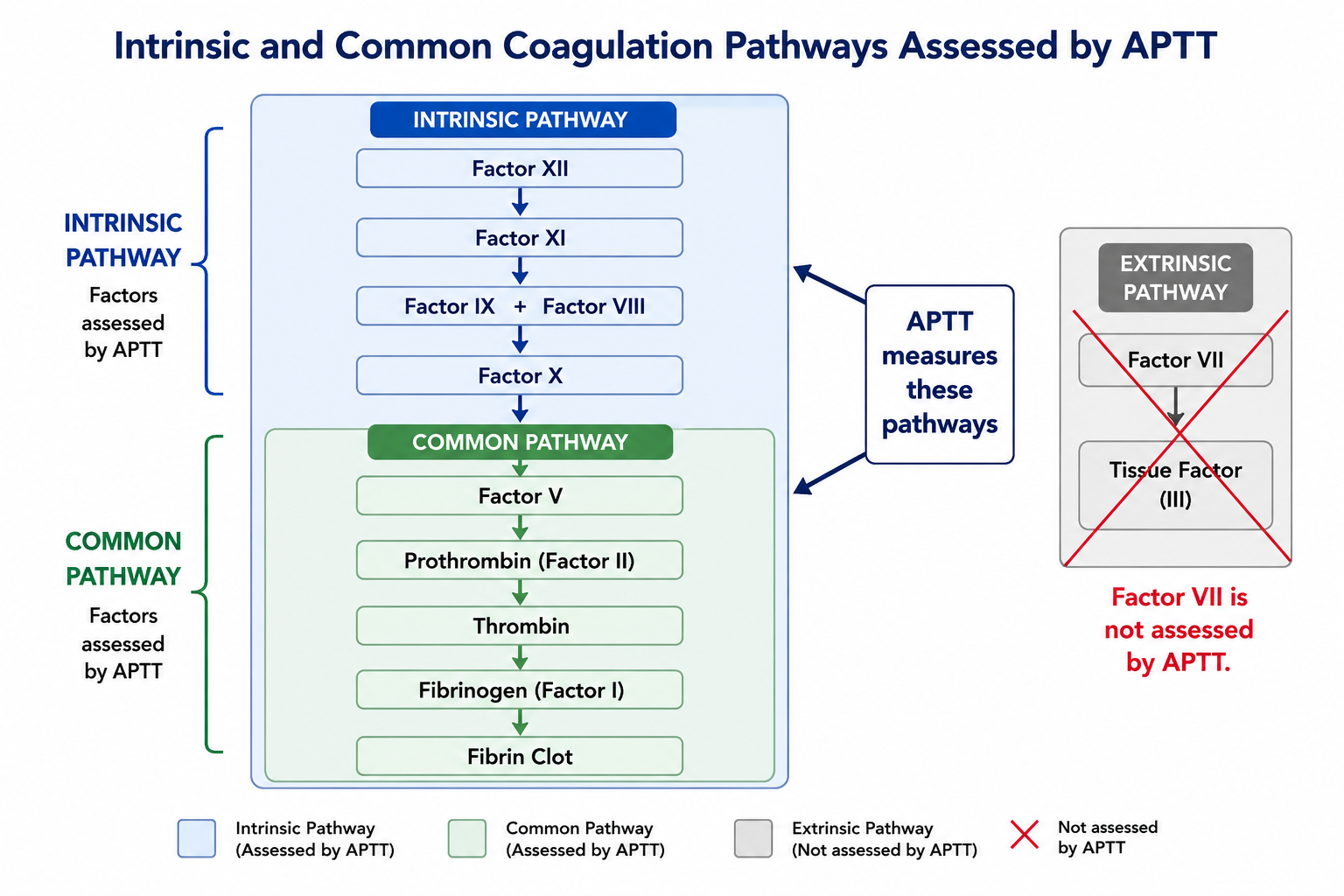
Learn what APTT measures, the intrinsic and common pathways, causes of prolonged APTT, haemophilia, lupus anticoagulant, heparin monitoring, and mixing studies.
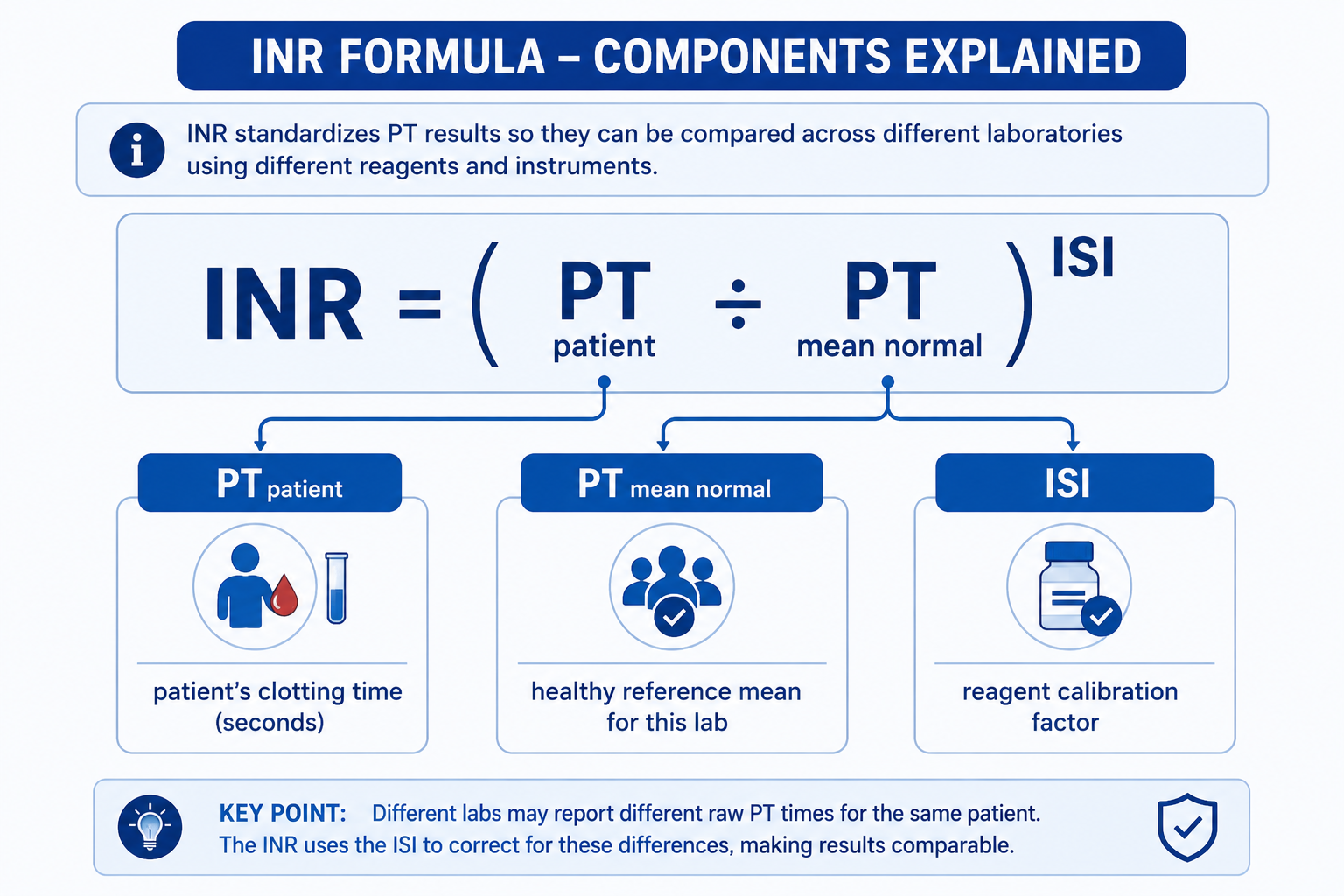
Step-by-step breakdown of the INR formula — PT ratio, ISI exponent, worked examples from normal to supratherapeutic, and common calculation mistakes.
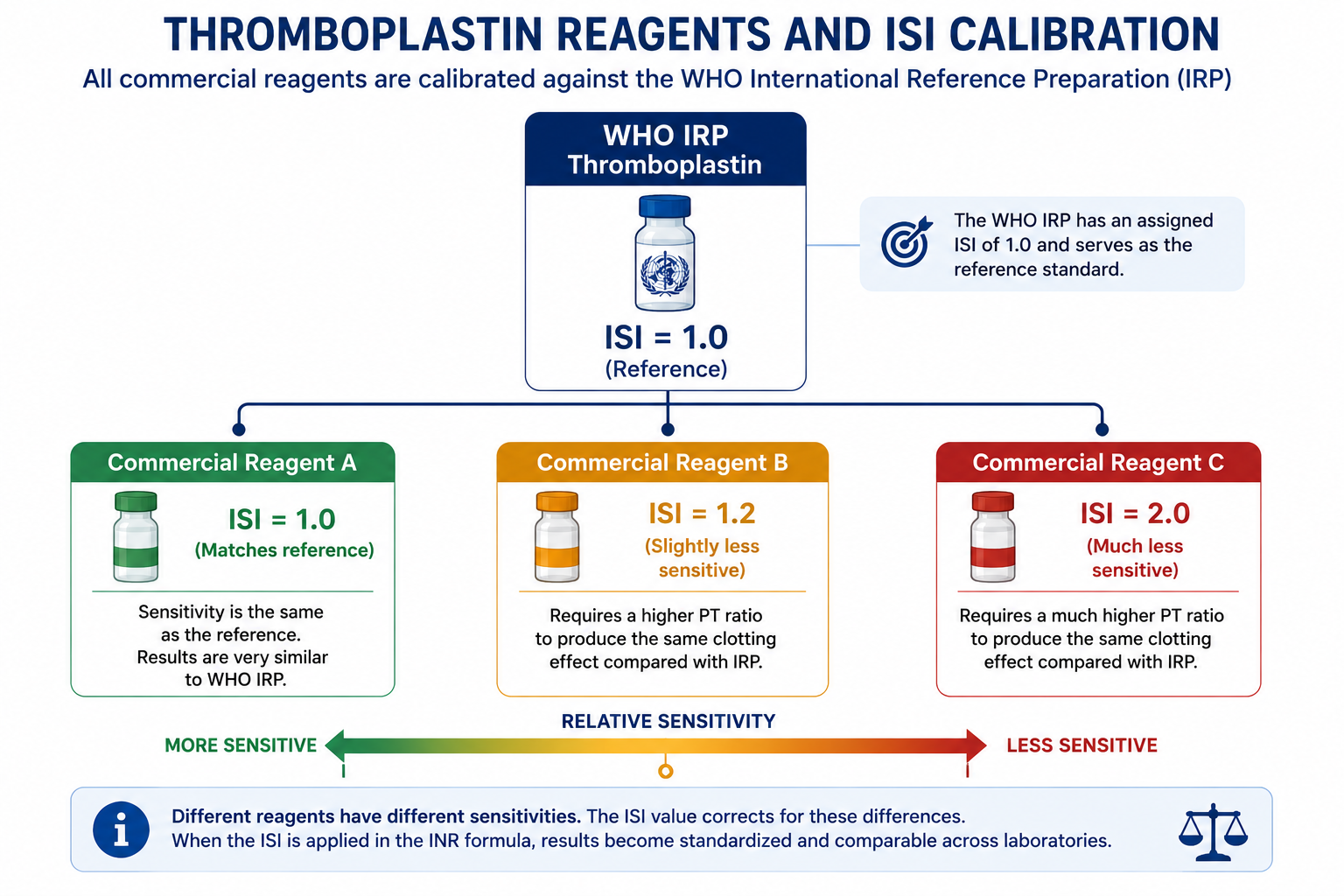
International Sensitivity Index (ISI) Explained
What the ISI is, how thromboplastin reagents are calibrated against the WHO reference, and why ISI is used as the exponent in the INR formula.
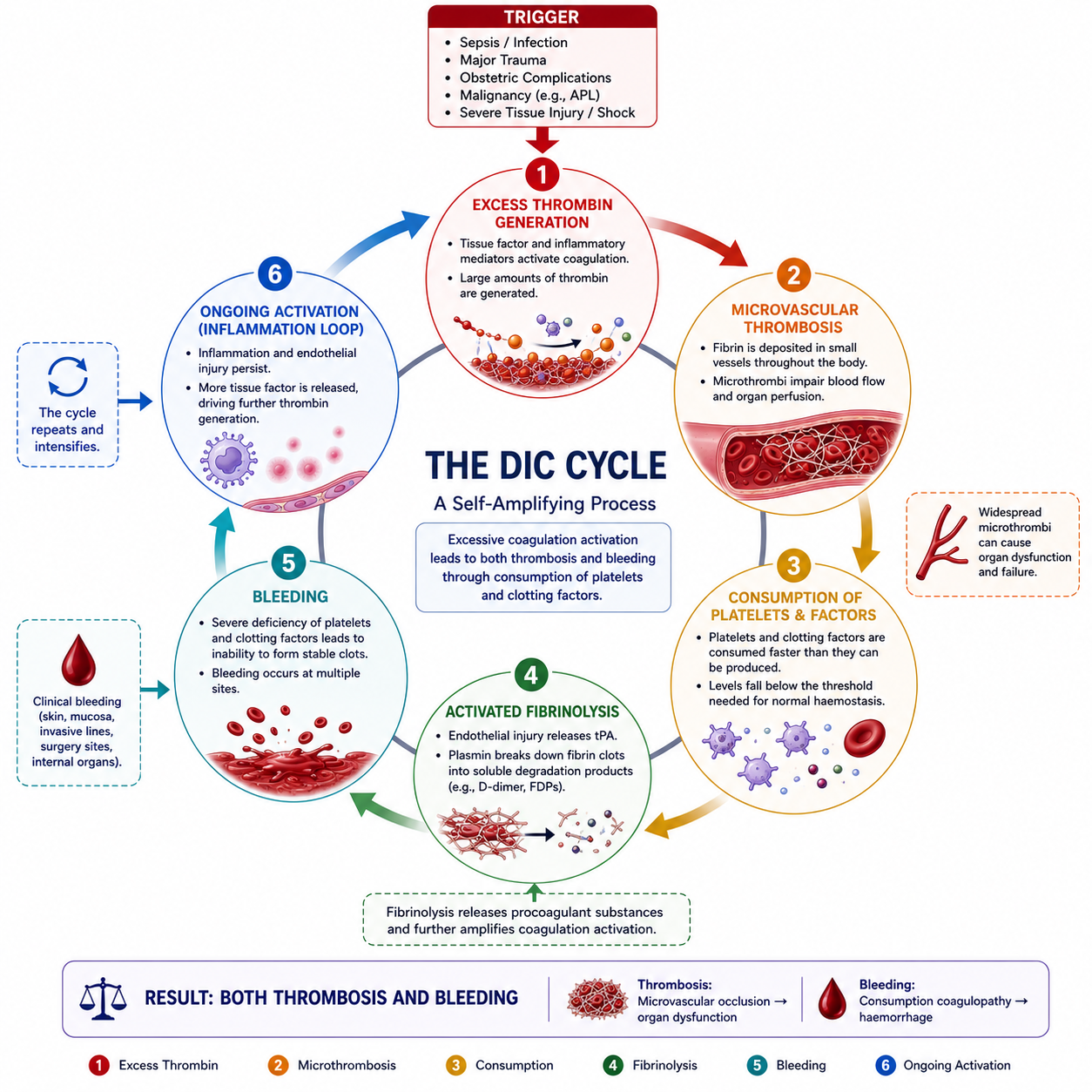
Learn the pathophysiology of disseminated intravascular coagulation, laboratory findings, D-dimer formation, acute versus chronic DIC, and the ISTH scoring system.
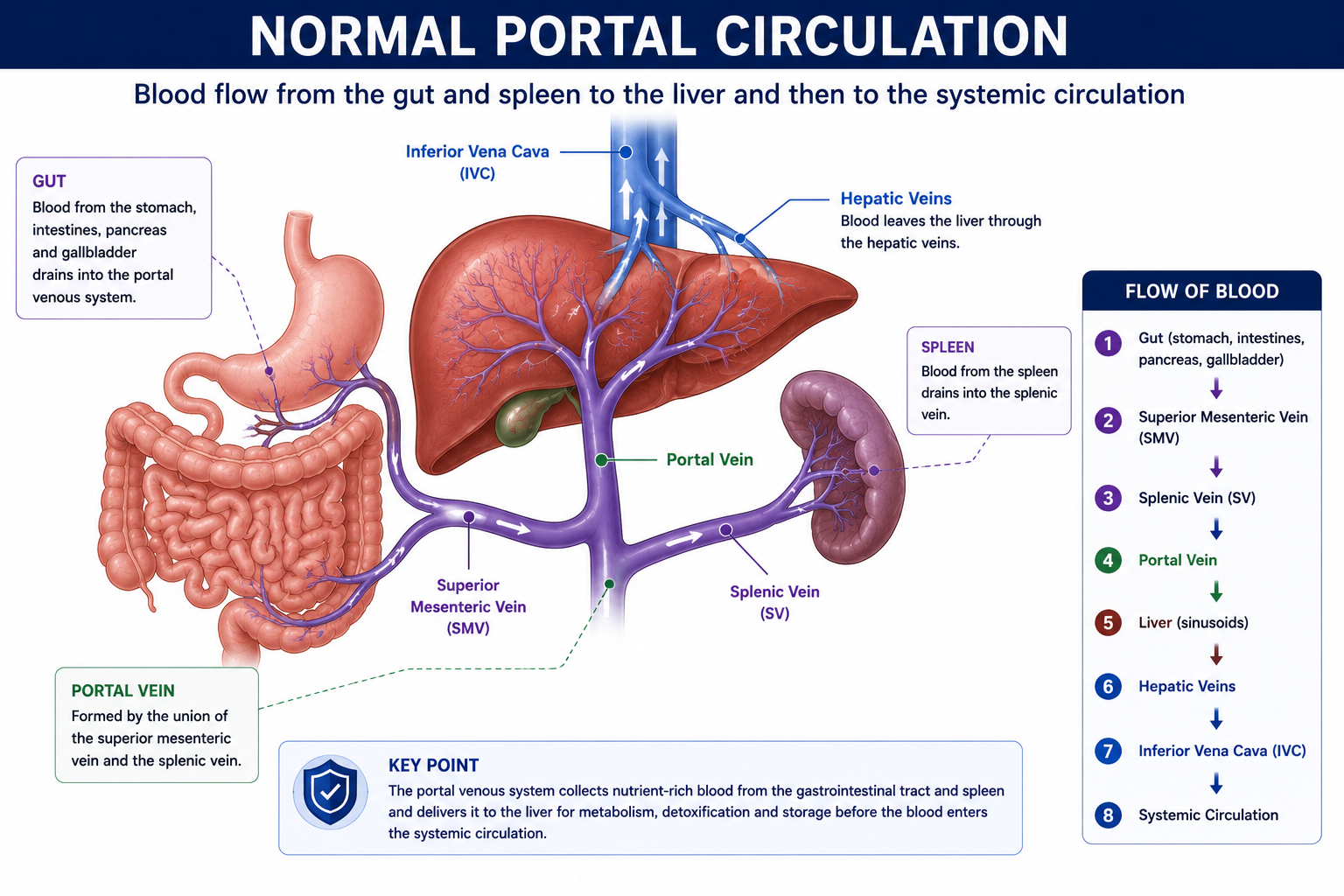
Learn portal hypertension, normal portal venous circulation, how cirrhosis increases portal pressure, and why varices, splenomegaly, thrombocytopenia and ascites develop.
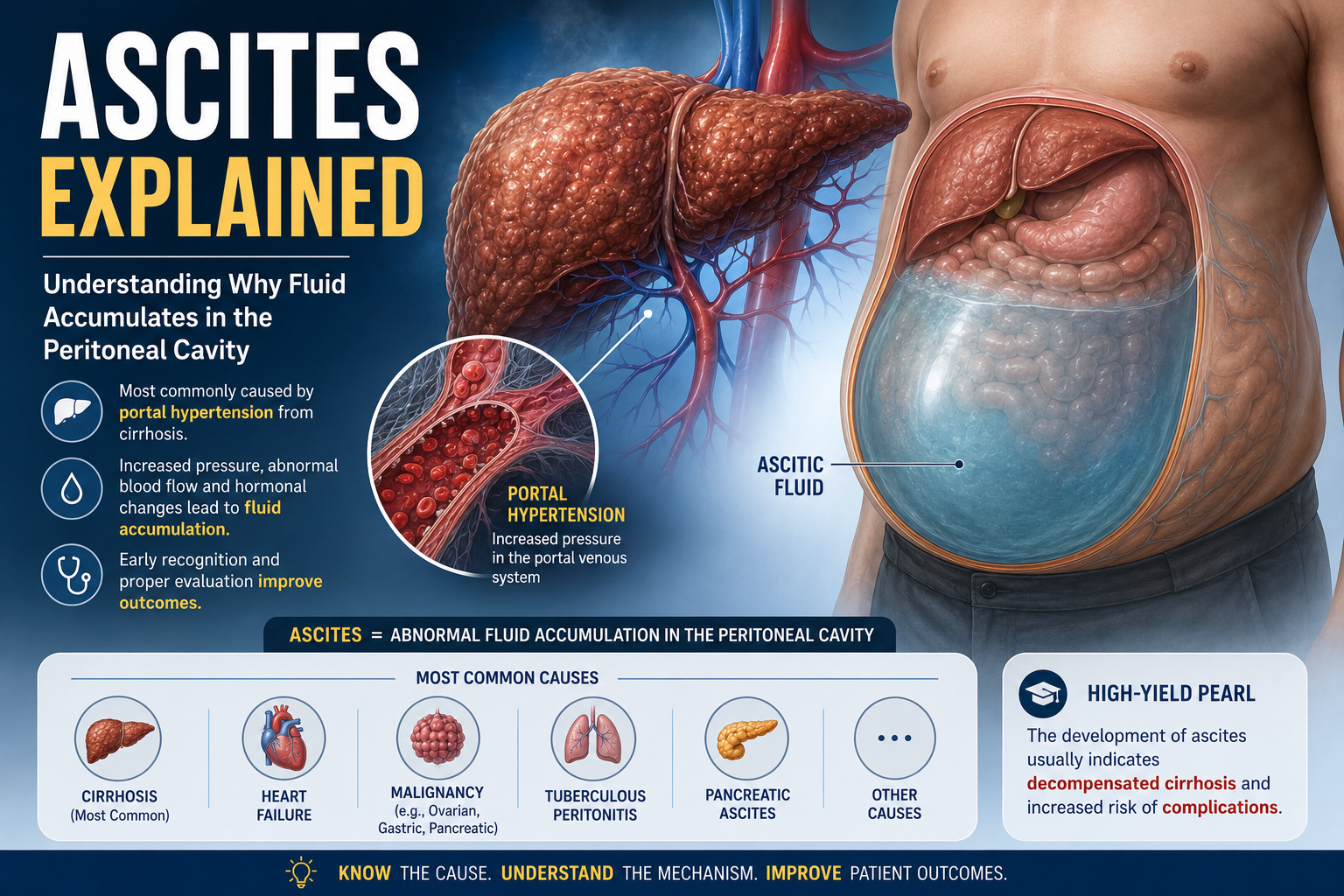
Learn how ascites develops, the role of portal hypertension, RAAS activation, diagnostic paracentesis, SAAG interpretation, and major complications.
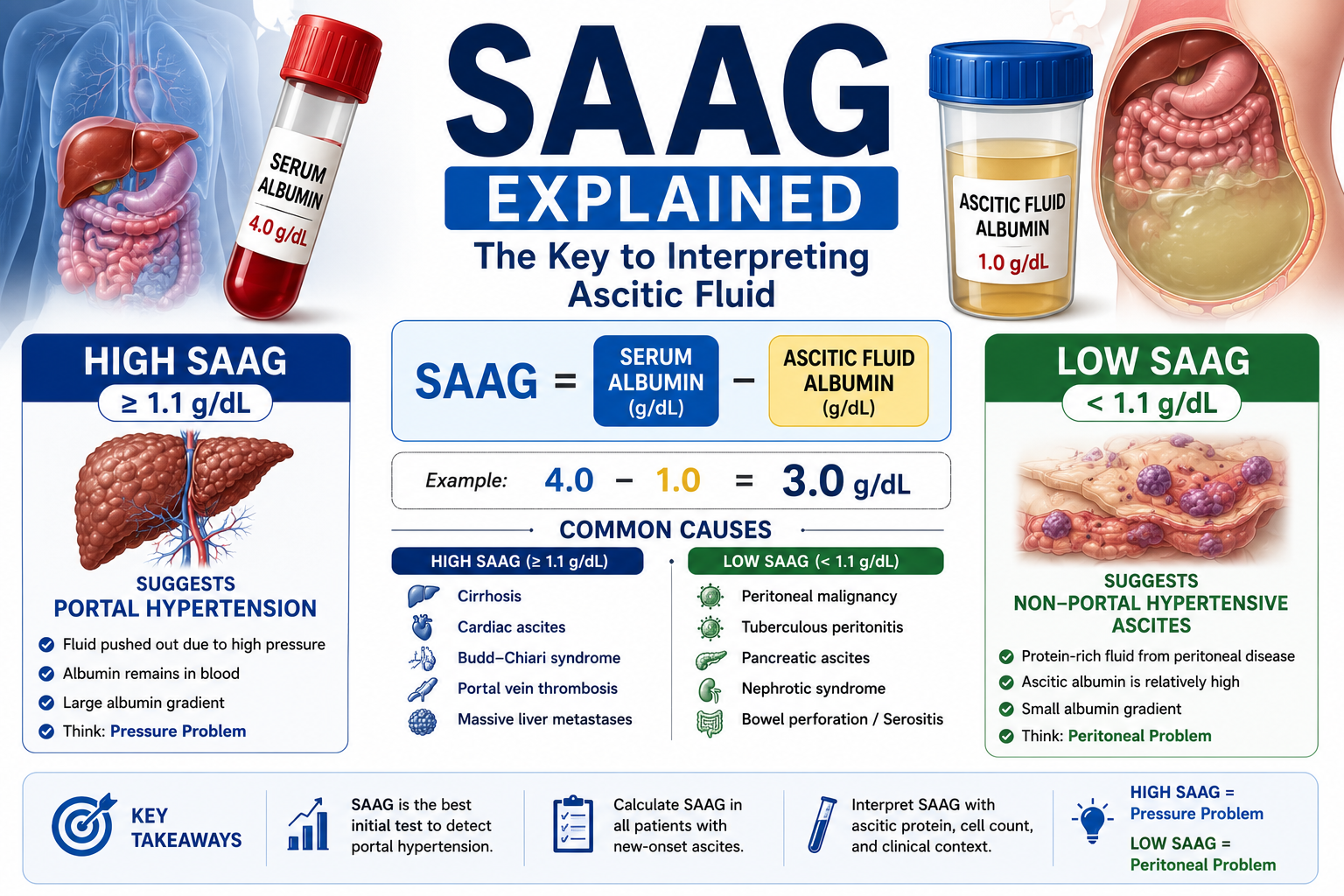
Understand the Serum-Ascites Albumin Gradient formula, why high SAAG means portal hypertension, low SAAG causes, worked examples, and how to combine SAAG with ascitic fluid protein.
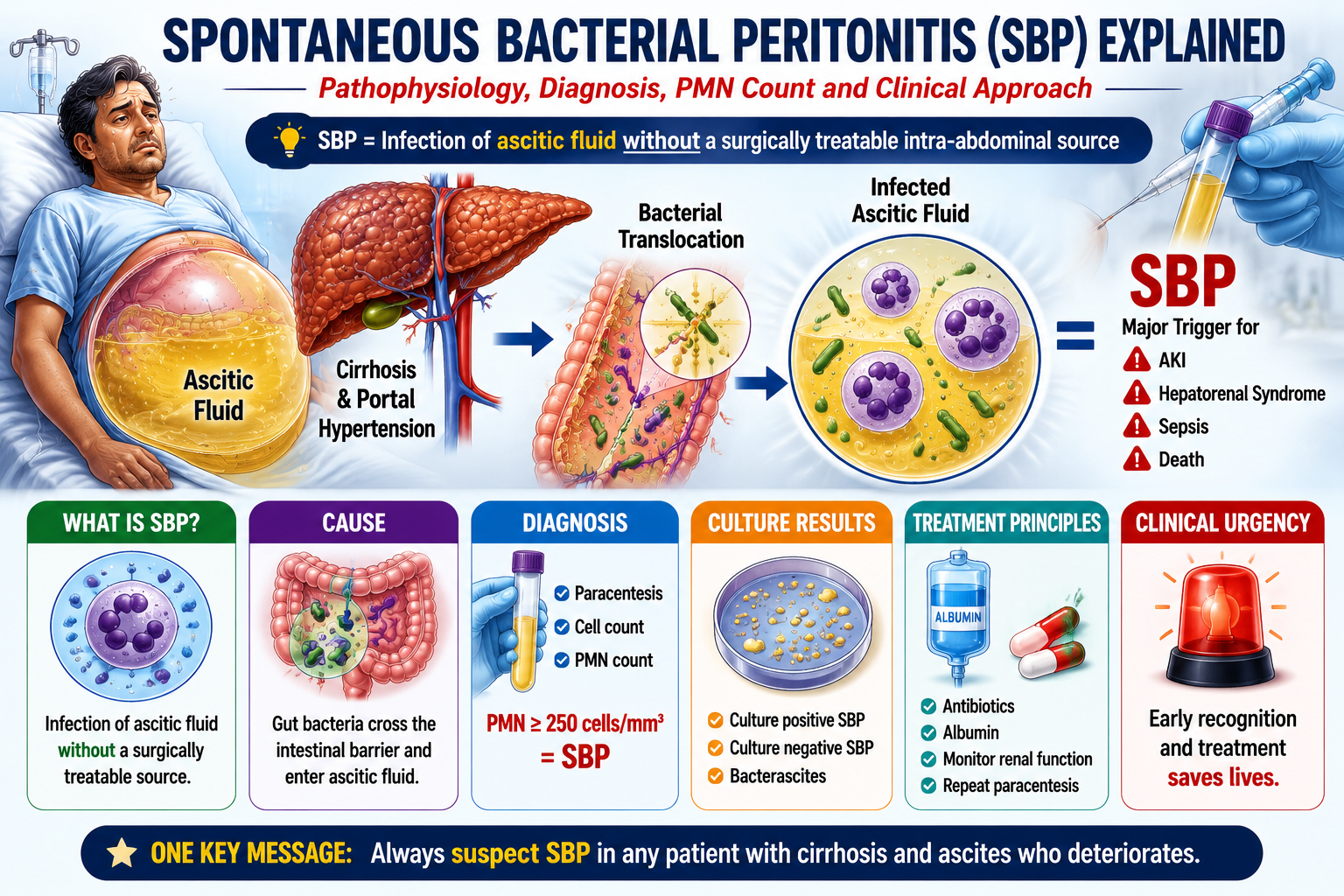
Understand SBP clearly: bacterial translocation, PMN cutoff, risk factors, culture-negative neutrocytic ascites, albumin use, diagnosis and complications.
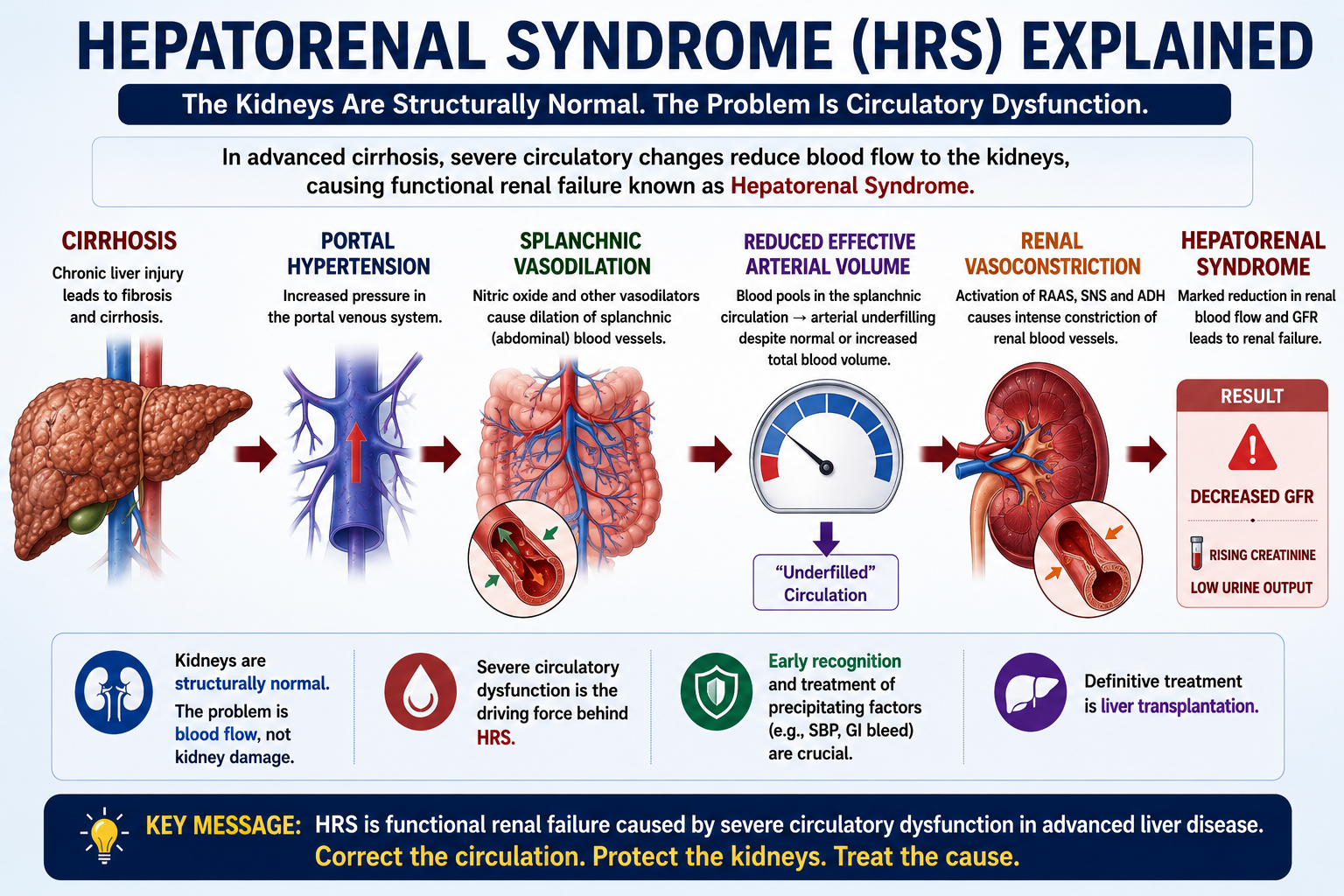
Hepatorenal Syndrome (HRS) Explained: Pathophysiology, Diagnosis and Clinical Approach
Understand hepatorenal syndrome clearly: why kidneys fail in cirrhosis, HRS diagnostic criteria, pathophysiology, HRS vs ATN, albumin, terlipressin and prognosis.
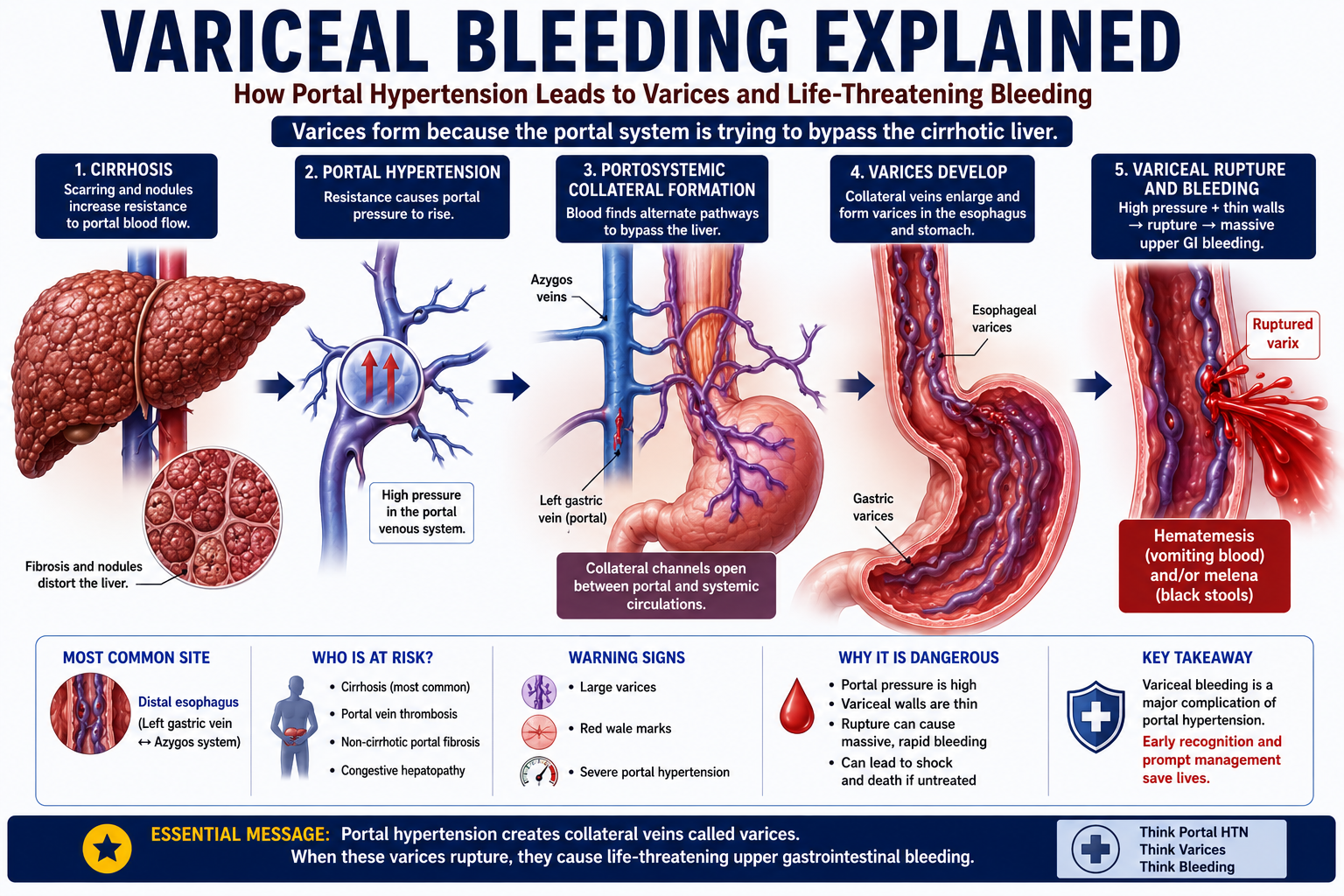
Variceal Bleeding Explained: Pathophysiology, Clinical Features and Management Principles
Understand variceal bleeding clearly: portal hypertension, HVPG thresholds, collateral formation, red wale marks, variceal rupture, endoscopy, band ligation and TIPS.
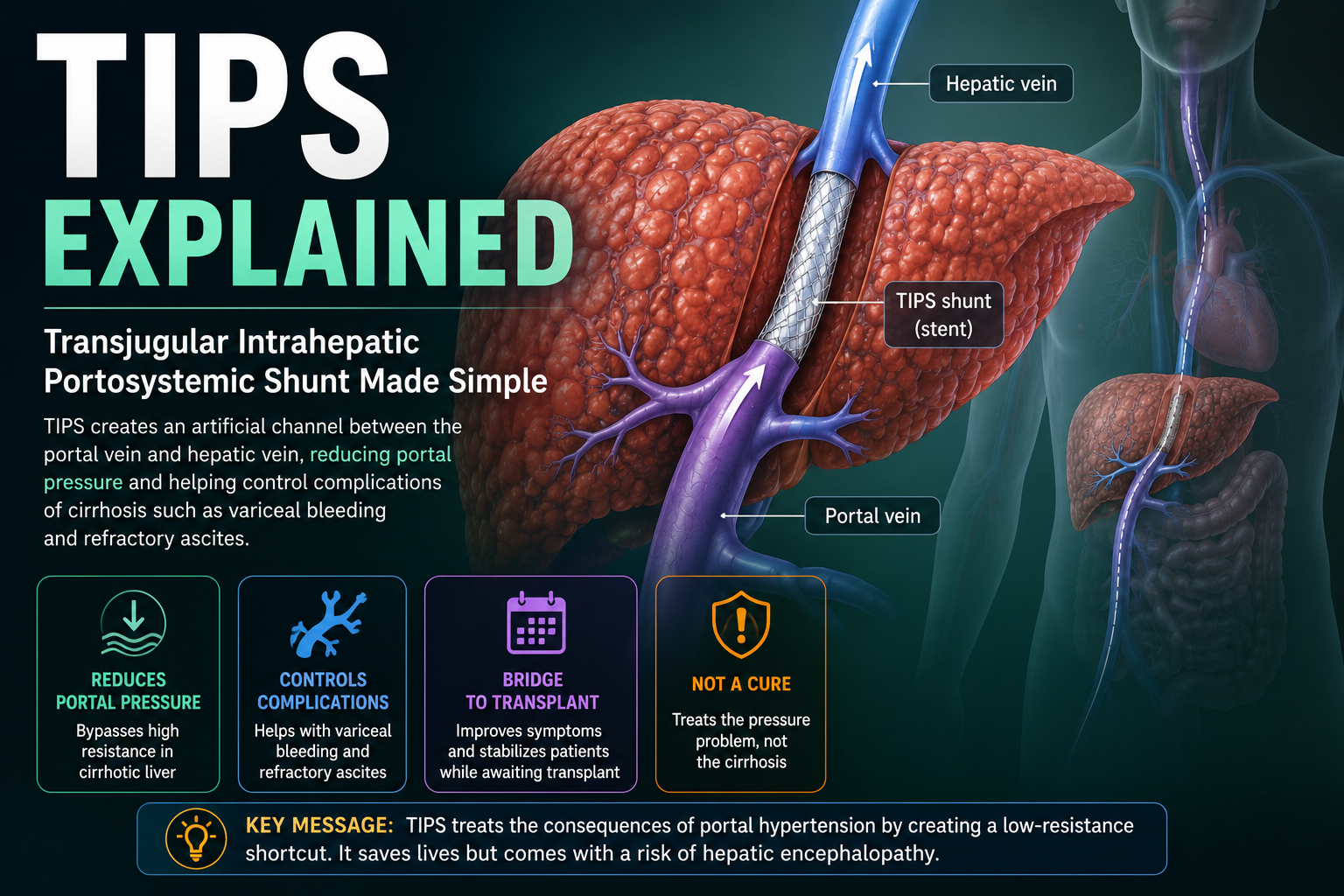
TIPS Explained: Transjugular Intrahepatic Portosystemic Shunt Made Simple
Understand TIPS clearly: how a transjugular intrahepatic portosystemic shunt reduces HVPG and portal pressure, indications, contraindications, benefits, complications and encephalopathy risk.
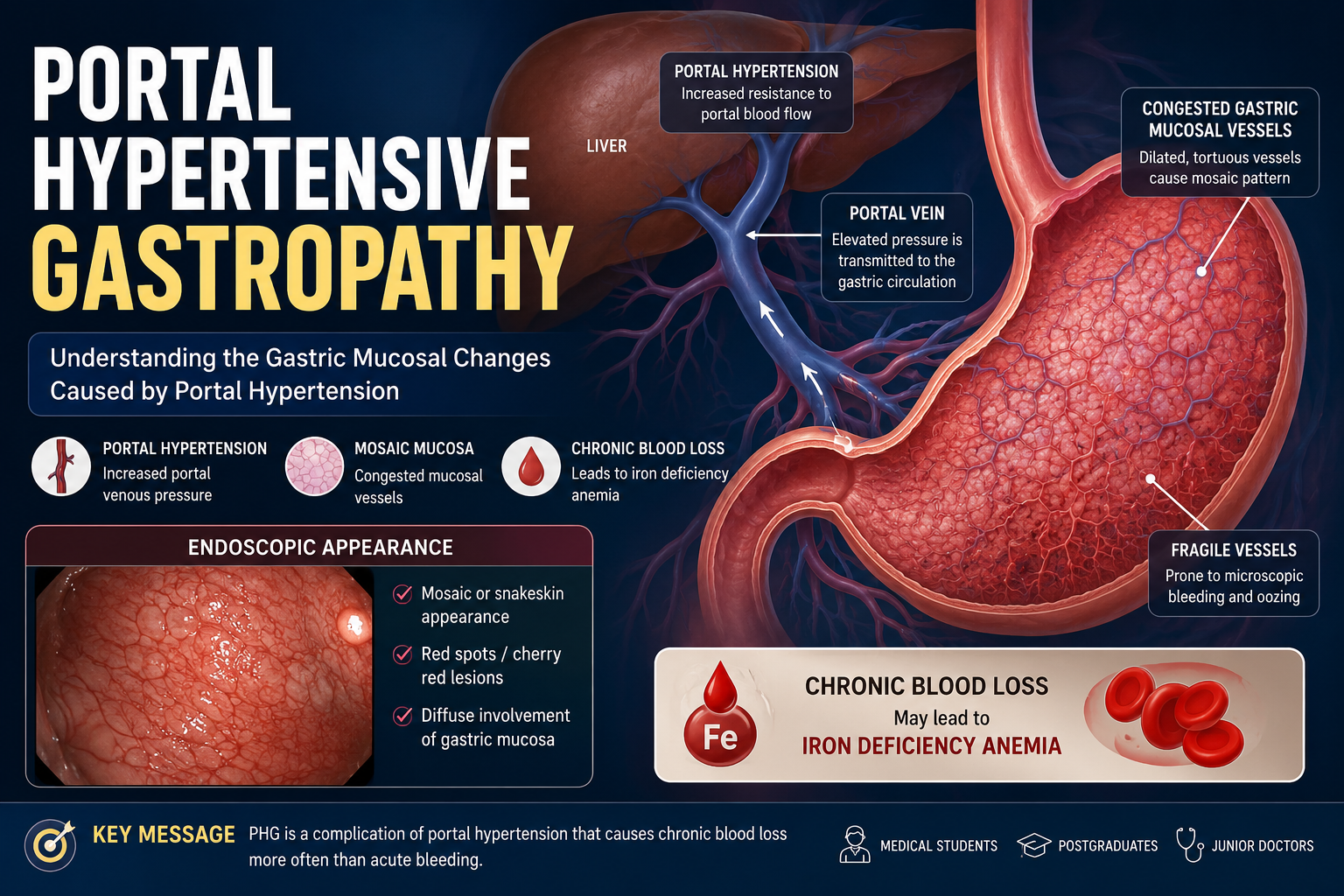
Portal Hypertensive Gastropathy (PHG) Explained: Pathophysiology, PHG vs GAVE & Treatment
Understand portal hypertensive gastropathy clearly: pathophysiology, mosaic snakeskin appearance, how PHG causes iron deficiency anaemia, PHG vs GAVE, PHG vs gastric varices, and management with beta blockers and TIPS.
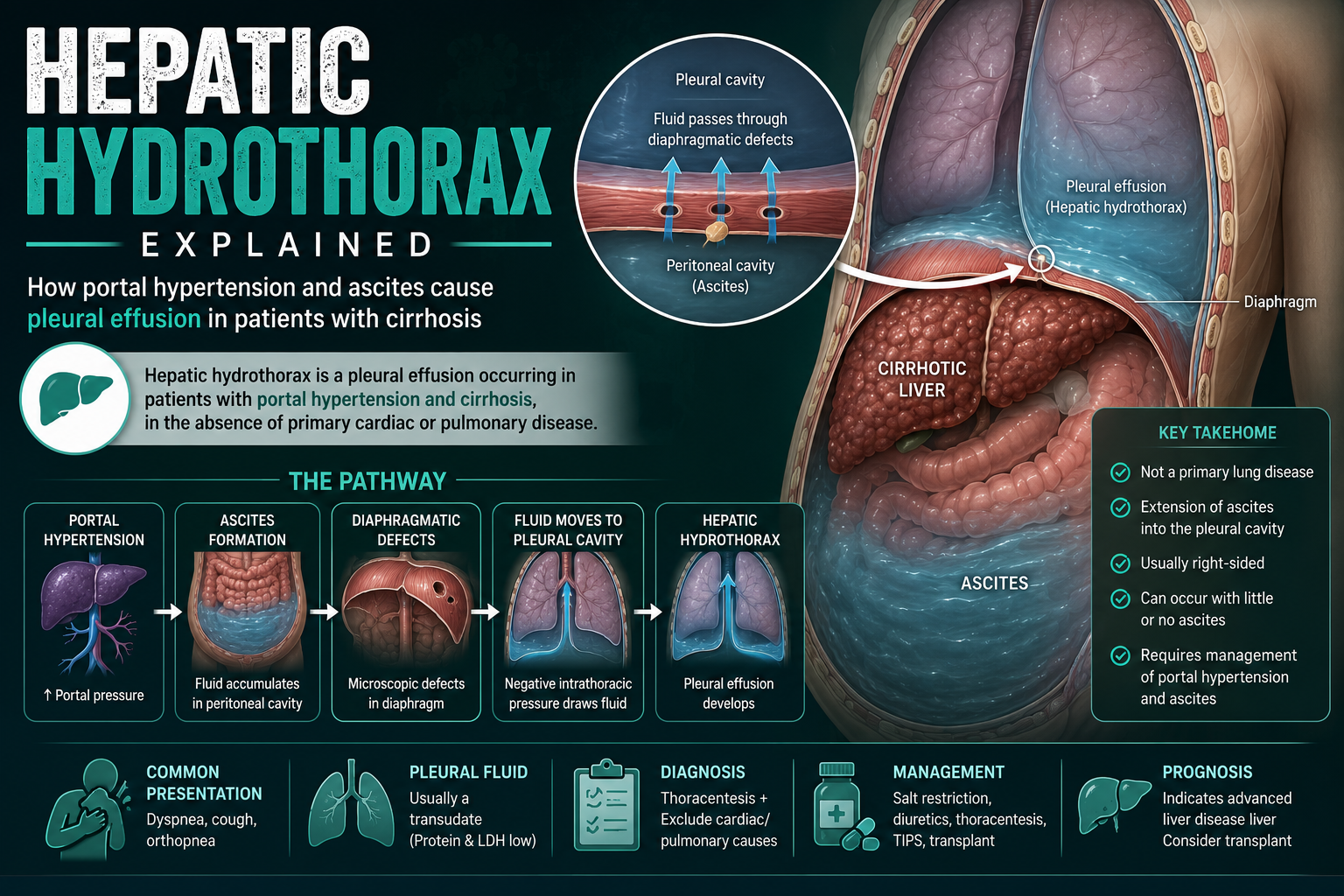
Hepatic Hydrothorax Explained: Pathophysiology, Diagnosis, Treatment & TIPS
Understand hepatic hydrothorax clearly: why ascites causes pleural effusion through diaphragmatic defects, why it is usually right-sided, why it can occur without obvious ascites, and why chest drains are dangerous. Covers diagnosis, TIPS, spontaneous bacterial empyema and prognosis.
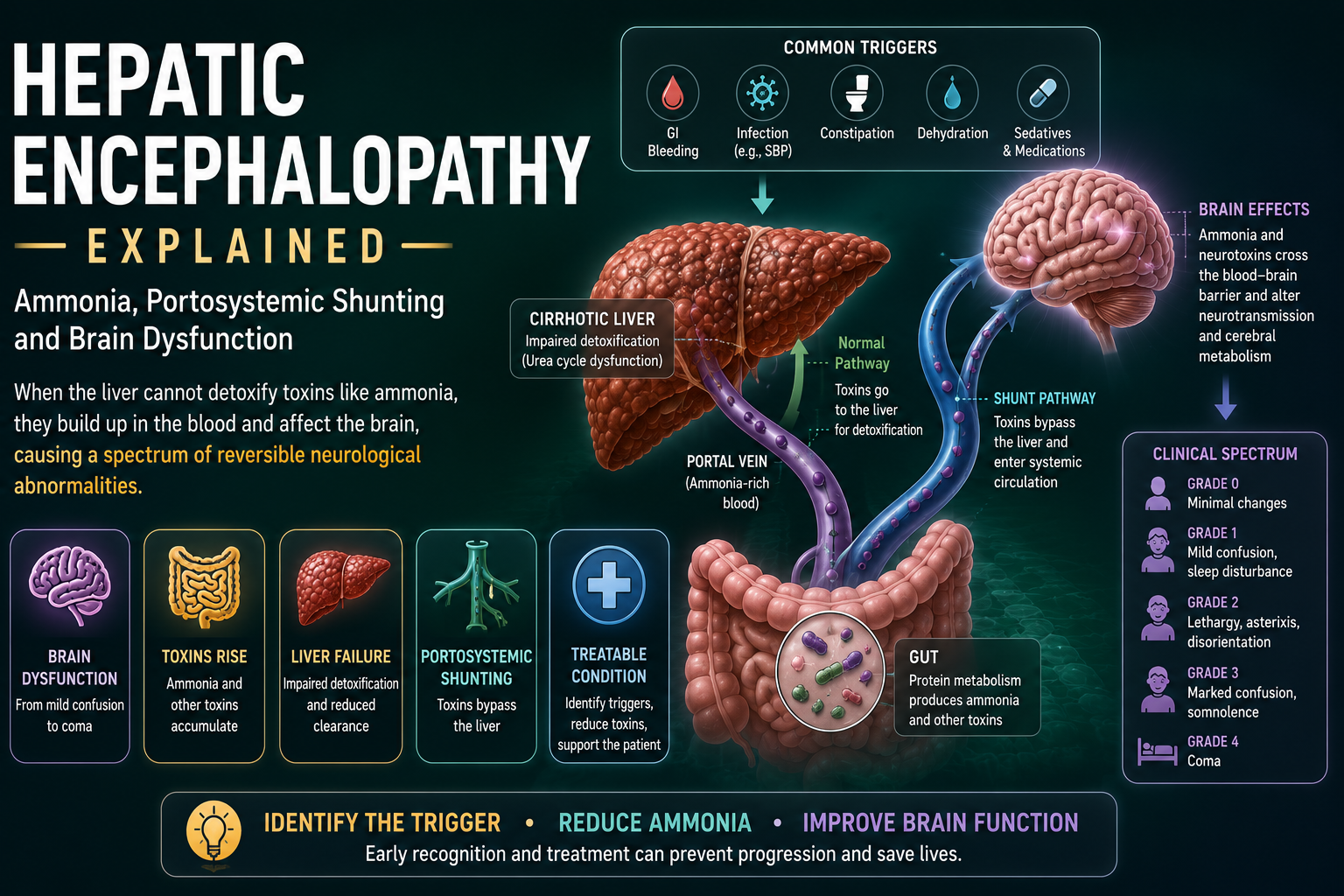
Hepatic Encephalopathy Explained: Ammonia, Portosystemic Shunting and Brain Dysfunction Made Simple
Understand hepatic encephalopathy clearly: ammonia interpretation, portosystemic shunting, covert and overt HE, West Haven grades, triggers, lactulose, rifaximin and TIPS.
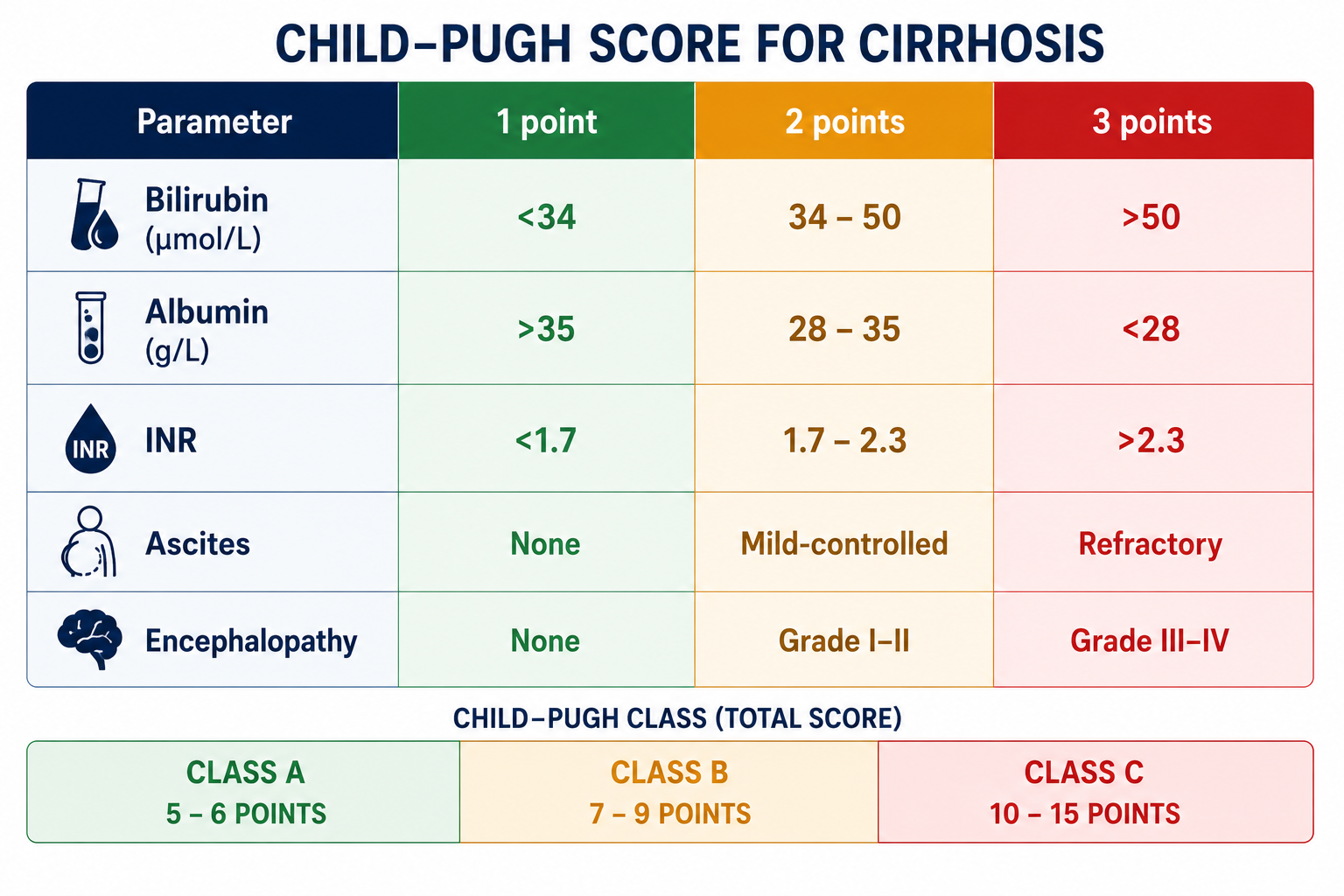
The five components of Child-Pugh scoring, worked example, Classes A, B, and C, prognosis, limitations, and comparison with the MELD score.
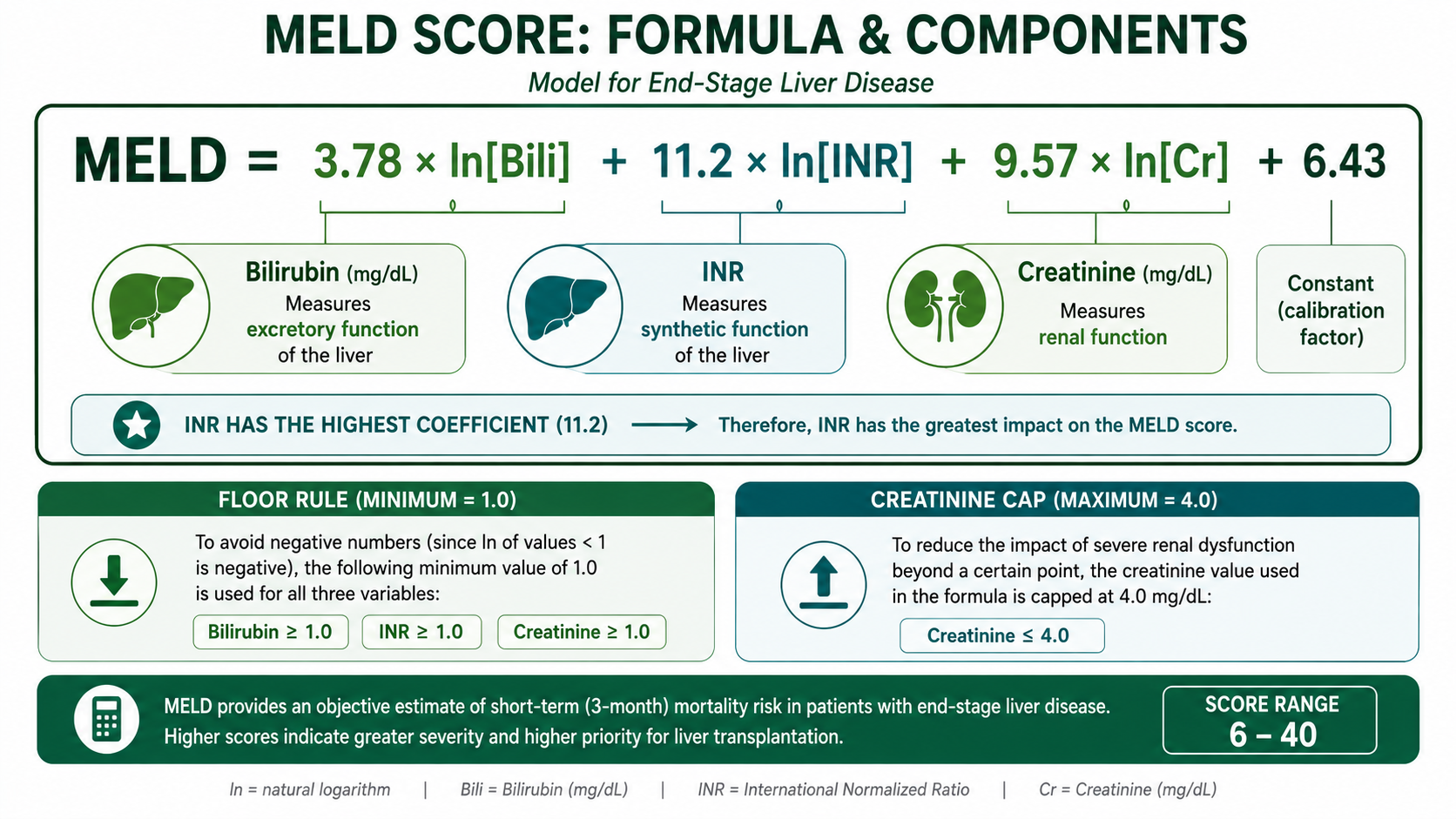
MELD formula (bilirubin, INR, creatinine), worked example, score interpretation ranges, MELD-Na, transplant prioritisation, and comparison with Child-Pugh.
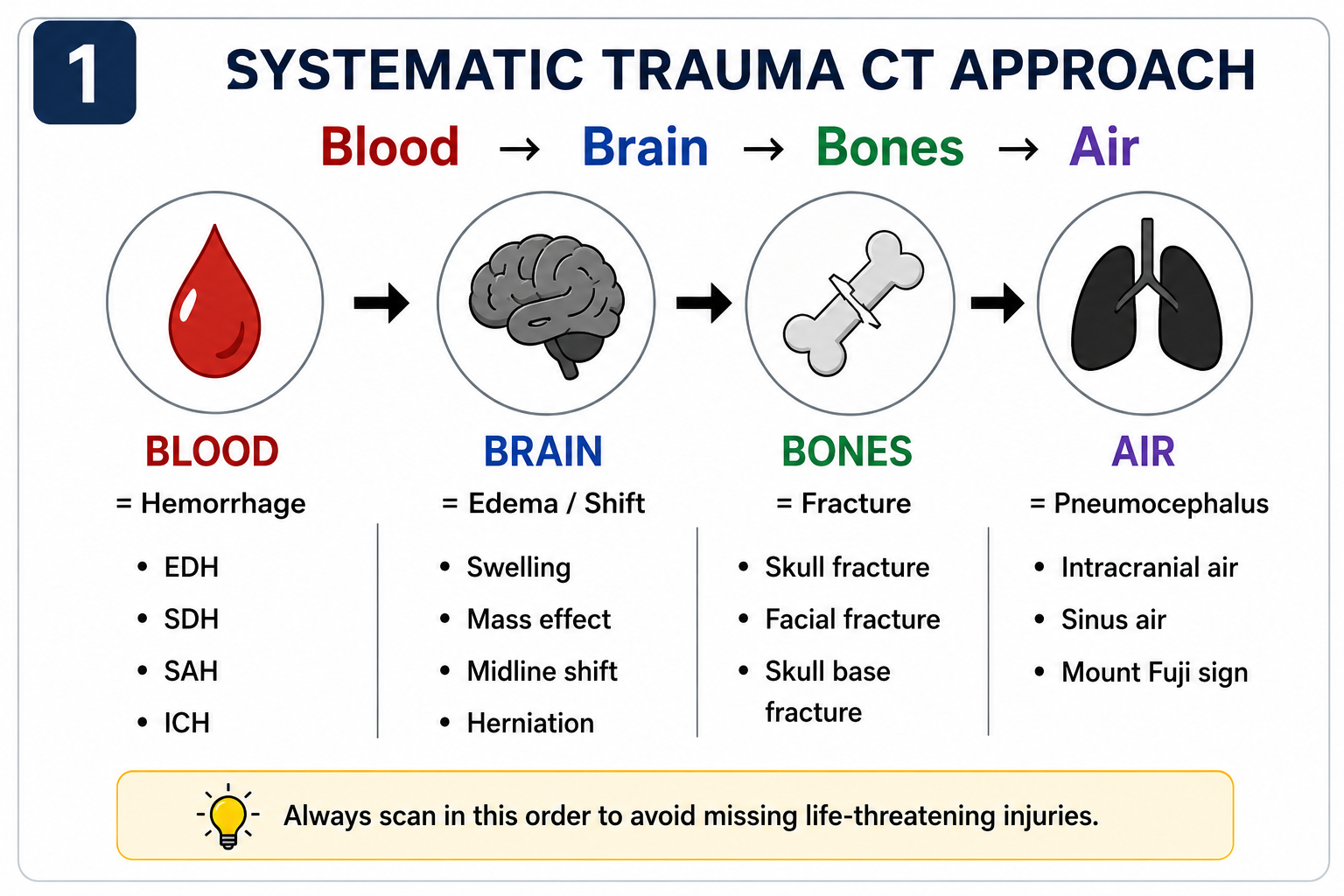
How to Read a Trauma CT Brain: EDH, SDH, SAH, ICH and Skull Fractures
Systematic approach to trauma head CT — CT density, window settings, haematomas, diffuse axonal injury, skull fractures, mass effect, and how to report findings.
No articles match your search.
Recently Added
Learning Pathways
Follow these curated sequences for structured learning.
- Portal Hypertension Explained
- Ascites Explained
- SAAG Explained
- Spontaneous Bacterial Peritonitis (SBP) Explained: Pathophysiology, Diagnosis, PMN Count and Clinical Approach
- Hepatorenal Syndrome (HRS) Explained: Pathophysiology, Diagnosis and Clinical Approach
- Variceal Bleeding Explained: Pathophysiology, Clinical Features and Management Principles
- TIPS Explained: Transjugular Intrahepatic Portosystemic Shunt Made Simple
- Hepatic Encephalopathy Explained: Ammonia, Portosystemic Shunting and Brain Dysfunction Made Simple
- Portal Hypertensive Gastropathy (PHG) Explained: Pathophysiology, PHG vs GAVE & Treatment
- Hepatic Hydrothorax Explained: Pathophysiology, Diagnosis, Treatment & TIPS
- Child-Pugh Score Explained
- MELD Score Explained
Browse by Specialty
More articles are being added. Submit your own article to contribute.